
Few situations worry parents more than seeing their baby develop a fever. Whether it's a newborn feeling unusually warm, a toddler becoming irritable, or a child refusing food and fluids, fever can leave parents wondering: Is this normal? Should I wait? When is it time to see a pediatrician?
The good news is that fever is not always a serious illness. In many cases, it is the body's natural response to infections and helps the immune system fight viruses or bacteria. However, certain symptoms require prompt medical attention, especially in newborns and young infants.
If you're looking for expert guidance on Baby Fever Treatment, this comprehensive guide explains the causes of fever in children, warning signs to watch for, home care tips, and when to consult a Pediatric Doctor in Bangalore.
What Is Considered a Fever in Babies?
A fever is generally defined as a body temperature of 38°C (100.4°F) or higher when measured using a reliable thermometer.
Fever itself is not a disease—it is usually a symptom indicating that the body is responding to an infection or another medical condition.
The severity of the illness often depends more on your child's overall condition than the temperature alone.
Common Causes of Fever in Babies and Children
Several conditions can cause fever in infants and children, including:
- Viral infections
- Common cold
- Influenza (Flu)
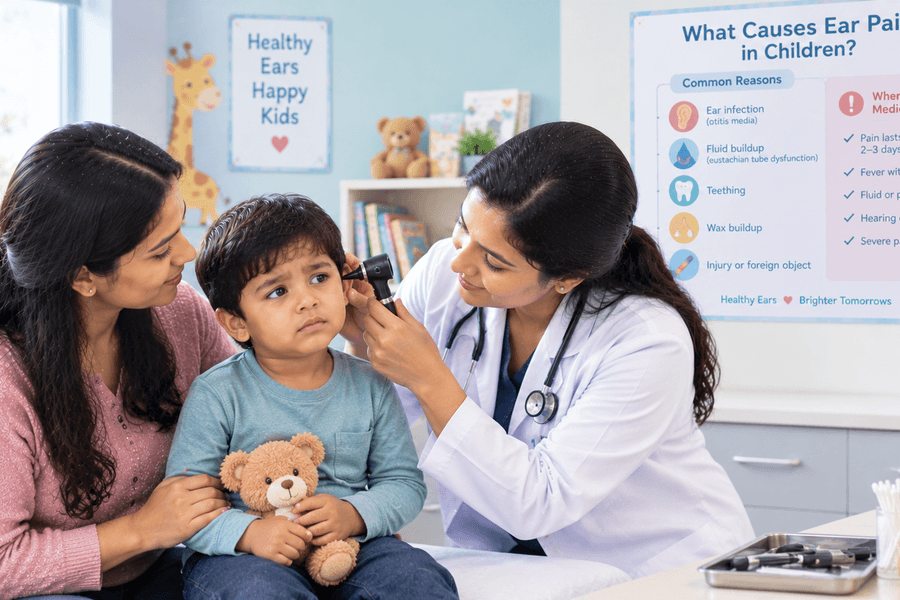
- Ear infections
- Throat infections
- Urinary tract infections
- Viral fever
- Gastrointestinal infections
- Teething (may cause mild temperature elevation but usually not high fever)
- Post-vaccination fever
An experienced Child Specialist in Bangalore can determine the underlying cause through a proper clinical evaluation.
When Should Parents Consult a Pediatric Doctor?
Although many fevers improve with rest and hydration, some situations require immediate medical attention.
Consult a pediatrician if your child:
- Is younger than 3 months with any fever
- Has a fever lasting more than 48–72 hours
- Has difficulty breathing
- Refuses to feed or drink fluids
- Appears unusually sleepy or difficult to wake
- Experiences repeated vomiting or diarrhea
- Has seizures associated with fever
- Develops a widespread rash
- Cries continuously and cannot be comforted
- Shows signs of dehydration, such as fewer wet diapers or a dry mouth
Early medical evaluation helps identify the cause and ensures appropriate treatment.
How Pediatricians Diagnose Fever
During a Pediatric Consultation, your doctor will evaluate more than just your child's temperature.
A pediatric assessment may include:
- Review of symptoms
- Physical examination
- Medical history
- Vaccination history
- Growth assessment
- Hydration status
- Additional investigations, if clinically required
The treatment plan depends on the underlying cause rather than the fever itself.
Safe Home Care for Babies with Fever
Parents can often support their child's recovery at home while monitoring symptoms closely.
Helpful home care measures include:
- Encourage adequate fluid intake.
- Continue breastfeeding or formula feeding for infants.
- Dress your child in lightweight clothing.
- Ensure sufficient rest.
- Monitor body temperature regularly.
- Follow medication advice only as prescribed by a pediatrician.
- Avoid self-medicating with antibiotics unless advised by a doctor.
If symptoms worsen or new warning signs appear, seek medical care promptly.
Why Regular Pediatric Care Matters
Children who attend regular Child Health Check-up in Bangalore appointments often receive preventive care that supports overall health and helps reduce the risk of severe illness.
Routine pediatric visits include:
- Growth monitoring
- Vaccination updates
- Nutrition guidance
- Developmental assessments
- Preventive healthcare counselling
A trusted pediatrician becomes familiar with your child's medical history, making diagnosis and treatment more effective.
Preventing Common Childhood Infections
Although not every fever can be prevented, parents can reduce the risk of infections by following healthy habits.
These include:
- Timely childhood vaccinations
- Regular hand hygiene
- Balanced nutrition
- Adequate sleep
- Safe food preparation
- Avoiding unnecessary exposure to sick individuals
- Routine pediatric health check-ups
Keeping your child's vaccination schedule up to date is one of the most effective ways to prevent serious infectious diseases.
Pediatric Care for Families Across South Bangalore
Parents living in South Bangalore often seek accessible pediatric care for common childhood illnesses such as fever, cough, viral infections, and seasonal illnesses. Families from Begur, Manipal County Road, Akshayanagar, DLF Layout, Basapura, Singasandra, Arakere, Devarachikkanahalli, Garvebhavi Palya, Hongasandra, Mico Layout, Vijaya Bank Layout, Hosa Road, Electronic City, and Bommanahalli benefit from having a trusted pediatric clinic nearby for timely consultations and follow-up care.
Prompt access to pediatric services helps parents manage illnesses early while ensuring children receive the right medical guidance when they need it most.
Timely Pediatric Care Makes All the Difference
Fever is one of the most common reasons parents seek medical advice, but understanding when to monitor symptoms at home and when to consult a pediatrician is essential for your child's safety. Prompt evaluation, appropriate treatment, and regular preventive healthcare help children recover faster and reduce the risk of complications.
If you're looking for expert Baby Fever Treatment and compassionate pediatric care, choosing a trusted Pediatrician in Bangalore ensures your child receives personalized medical attention whenever they need it. Whether your family requires Child Health Check-up in Bangalore, Child Vaccination Centre in Bangalore, Newborn Baby Care in Bangalore, or Child Growth Monitoring in Bangalore, regular pediatric care supports your child's health at every stage of development.
Frequently Asked Questions
Is every fever dangerous in babies?
No. Many fevers are caused by common viral infections and resolve with supportive care. However, newborns and infants should always be evaluated promptly if they develop a fever.
Should I give medicine immediately when my child has a fever?
Medication should only be given according to your pediatrician's advice. The decision depends on your child's age, symptoms, and overall condition.
Can vaccinations cause fever?
Yes. Mild fever may occur after certain vaccinations and usually resolves within a short period. Your pediatrician will explain what to expect after immunization.
How can I tell if my baby needs urgent medical attention?
Seek immediate medical care if your baby has difficulty breathing, persistent vomiting, dehydration, seizures, extreme sleepiness, or if the fever occurs in a newborn younger than three months.
Why is it important to consult a pediatrician instead of self-medicating?
A pediatrician identifies the actual cause of the fever and recommends safe, age-appropriate treatment while avoiding unnecessary medications.