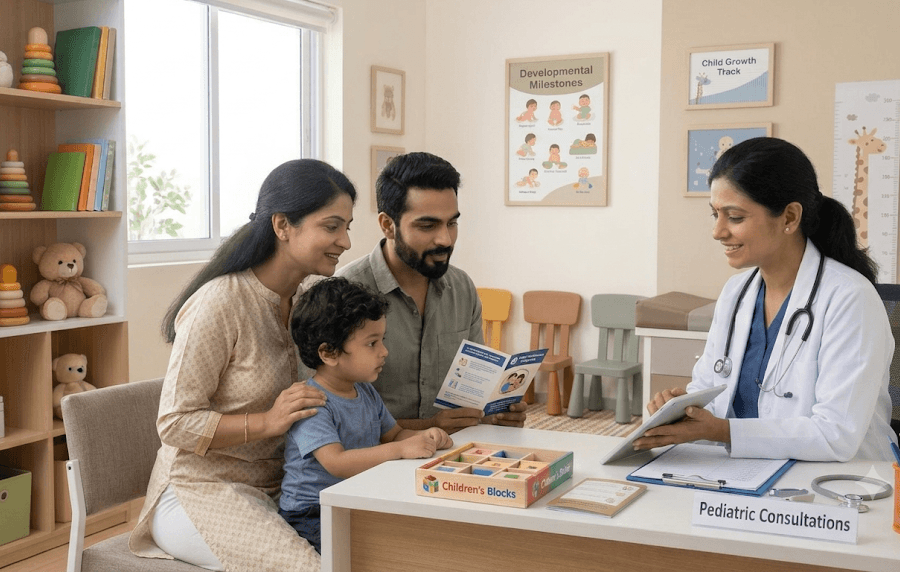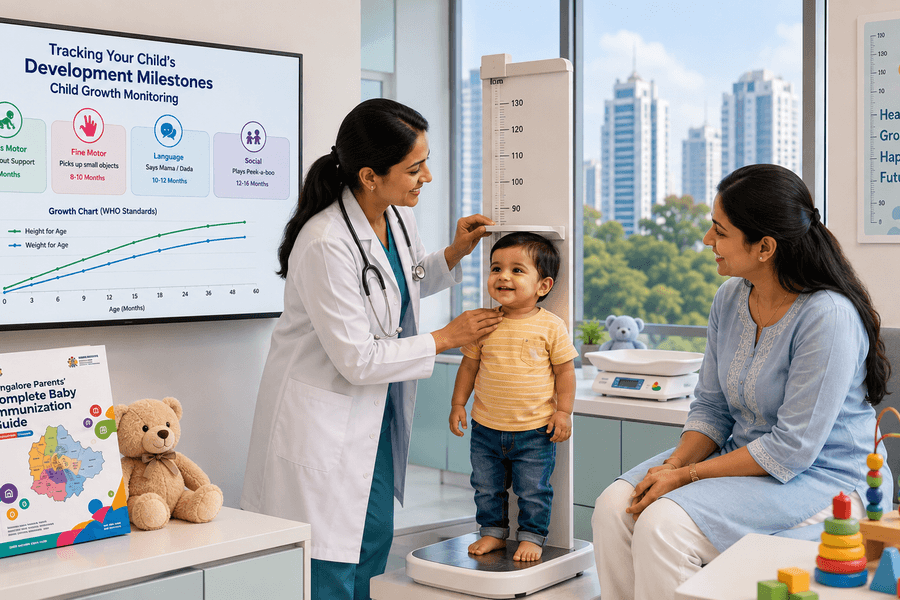
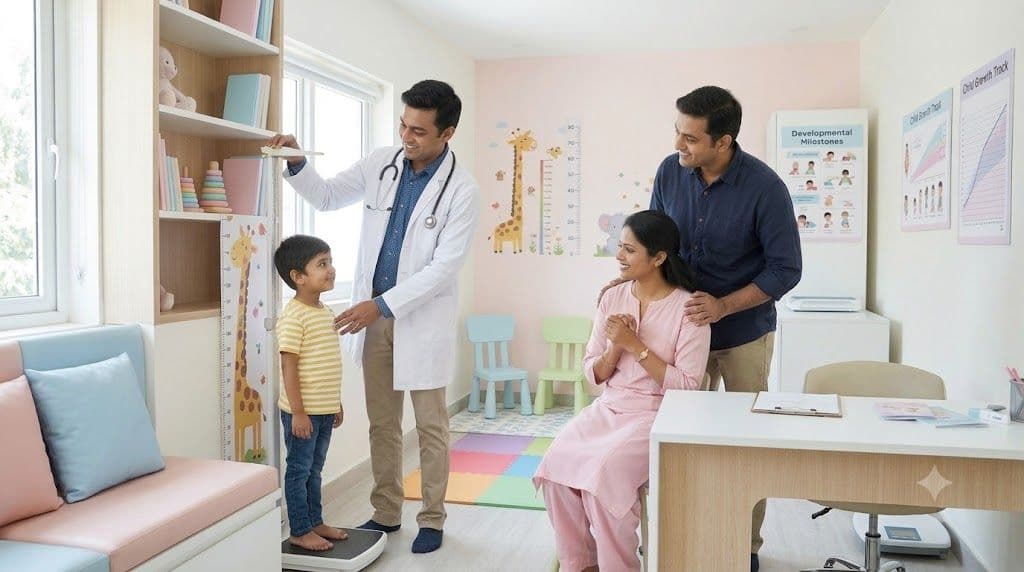
Children do not all grow at exactly the same rate. However, monitoring growth over time helps parents and pediatricians understand whether a child is following an expected growth pattern. A Child Growth Clinic in Bangalore can provide regular assessment of height, weight, development, nutrition, and overall health.
What Is Child Growth Monitoring?
Growth monitoring involves regularly tracking measurements such as height and weight and interpreting them according to the child's age and sex.
A single measurement does not always provide the complete picture. Pediatricians generally look at the pattern of growth over time.
Why Is Growth Monitoring Important?
Growth monitoring can help identify:
- Changes in weight
- Poor weight gain
- Excessive weight gain
- Changes in height
- Nutritional concerns
- Developmental concerns
- Possible underlying health issues
Identifying changes early allows the pediatrician to decide whether further assessment or support is required.
What Is Checked During a Growth Assessment?
A pediatric growth assessment may include:
Height and Weight
These measurements help track physical growth over time.
Growth Pattern
The pediatrician may compare current measurements with previous visits to understand the child's growth trajectory.
Nutrition
Food intake, appetite, feeding habits, and dietary patterns may be discussed.
Development
Physical, language, cognitive, and social development may also be reviewed depending on the child's age.
General Health
The doctor may consider recurrent illness, digestive concerns, sleep, activity, and other factors that can affect growth.
What Can Affect a Child's Growth?
Growth can be influenced by several factors, including genetics, nutrition, sleep, physical activity, general health, and certain medical conditions.
A child being shorter or lighter than another child does not automatically mean there is a problem. Pediatricians assess the overall pattern rather than comparing children with one another.
When Should Parents Consult a Pediatrician?
Parents should discuss growth with a pediatrician if they notice:
- Poor weight gain
- Sudden changes in weight
- Lack of expected height progression
- Significant appetite changes
- Persistent digestive problems
- Developmental concerns
- Reduced energy or activity
The pediatrician can determine whether further evaluation is appropriate.
Choosing a Child Growth Clinic in Bangalore
Parents can look for a pediatric clinic that provides regular growth monitoring along with nutrition and developmental assessments.
Families around Begur, Singasandra, Hosa Road, Electronic City, Bommanahalli, and nearby areas may find it useful to have a child-focused clinic available for regular follow-up.
Conclusion
A Child Growth Clinic in Bangalore can help parents understand their child's growth beyond simple comparisons of height and weight. Regular monitoring gives pediatricians a clearer picture of the child's development and allows concerns to be evaluated when necessary.
FAQs
1. How is a child's growth monitored?
Pediatricians regularly measure height and weight and assess the child's growth pattern over time.
2. Is being shorter than other children always a concern?
No. Children naturally have different growth patterns. Pediatricians consider the child's overall growth trajectory and other health factors.
3. Can nutrition affect growth?
Yes. Adequate nutrition is important for healthy physical growth and development.
4. How often should children's growth be monitored?
Growth can be assessed during routine pediatric visits, with frequency depending on the child's age and individual needs.
5. Can a pediatrician assess developmental progress too?
Yes. Developmental milestones can be reviewed alongside physical growth.