Child Health Check-Up in Bangalore: Why Regular Pediatric Visits Are Important
“My child looks healthy, so does a regular pediatric check-up really matter?”
It is a common question among parents. Pediatric visits are often associated with fever, infections, vaccinations, or other immediate health concerns. But a routine Child Health Check-Up in Bangalore is much more than a visit made when a child is sick.
Regular pediatric visits give parents and pediatricians an opportunity to monitor a child's growth, development, nutrition, vaccinations, behaviour, and overall well-being over time. The American Academy of Pediatrics describes well-child visits as preventive health visits that continue from infancy through adolescence, with age-appropriate assessments and screenings.
For families in South Bangalore, choosing an accessible pediatric clinic can make this ongoing care easier to maintain.
What Is a Child Health Check-Up?
A child health check-up is a preventive pediatric visit designed to assess a child's overall health and development.
Depending on the child's age and individual needs, a pediatrician may review:
- Physical growth
- Weight and height
- Developmental milestones
- Nutrition and feeding
- Vaccination status
- Sleep habits
- Behaviour and learning
- Physical activity
- Previous illnesses
- Parent or caregiver concerns
The exact assessments can change as children move from infancy to early childhood, school age, and adolescence. Pediatric preventive-care schedules are generally organized around age-specific health supervision and screening.
Why Are Regular Pediatric Visits Important?
A child may appear completely healthy while still benefiting from preventive healthcare.
Regular visits can help parents and pediatricians build a clearer picture of the child's development rather than evaluating health only when a problem occurs.
1. Monitoring Growth Over Time
Children grow rapidly, especially during infancy and early childhood. A pediatrician can track measurements such as height, weight, and, where appropriate, head circumference.
The important point is not simply one measurement. Growth patterns over time can provide more useful information about how a child is progressing.
Parents looking for Child Growth Monitoring in Bangalore can use routine pediatric appointments to discuss growth patterns, appetite, nutrition, and physical development.
2. Tracking Developmental Milestones
Childhood development involves much more than physical growth.
Depending on age, pediatric visits may involve discussion of:
- Communication and language
- Movement and coordination
- Social interaction
- Learning
- Behaviour
- Emotional development
- Age-appropriate independence
Parents may notice developmental differences before anyone else. Discussing these observations during a pediatric visit can help determine whether additional assessment or support may be appropriate.
The AAP's preventive-care framework includes developmental, behavioural, social, and emotional considerations at selected age-based visits.
3. Keeping Vaccinations on Track
Vaccination is an important part of preventive pediatric healthcare.
During routine visits, parents can discuss their child's vaccination history and upcoming immunizations with their pediatrician. Keeping records organized can make it easier to identify whether a scheduled dose or booster is due.
Families searching for a Child Vaccination Centre in Bangalore should consider qualified pediatric care, proper vaccination practices, and professional guidance as well as convenience.
Vaccination appointments can also be an opportunity to discuss other questions about the child's health rather than treating immunization as an isolated visit.
4. Understanding Your Child's Nutrition
Nutrition needs change significantly as children grow.
A newborn has very different nutritional requirements from a toddler, school-age child, or adolescent. Parents may therefore have questions about feeding, appetite, picky eating, weight gain, or balanced meals at different stages.
A pediatric consultation can provide an opportunity to discuss:
- Breastfeeding and infant feeding
- Introduction of complementary foods
- Picky eating
- Poor appetite
- Healthy meal patterns
- Weight concerns
- Nutritional deficiencies
- Food-related concerns
For families requiring Pediatric Nutrition Consultation Bangalore, regular pediatric care can help connect nutrition discussions with the child's growth and developmental progress.
5. Identifying Health Concerns Earlier
One of the important benefits of preventive healthcare is the opportunity to notice concerns before they become more complicated.
A pediatrician may identify something that deserves closer observation during a routine assessment, even when the child is not currently sick.
This does not mean that every unusual finding indicates a medical problem. Rather, regular monitoring gives parents and healthcare professionals an opportunity to investigate concerns appropriately when necessary.
The AAP notes that preventive visits provide opportunities for assessment, screening, counselling, and further evaluation when concerns are identified.
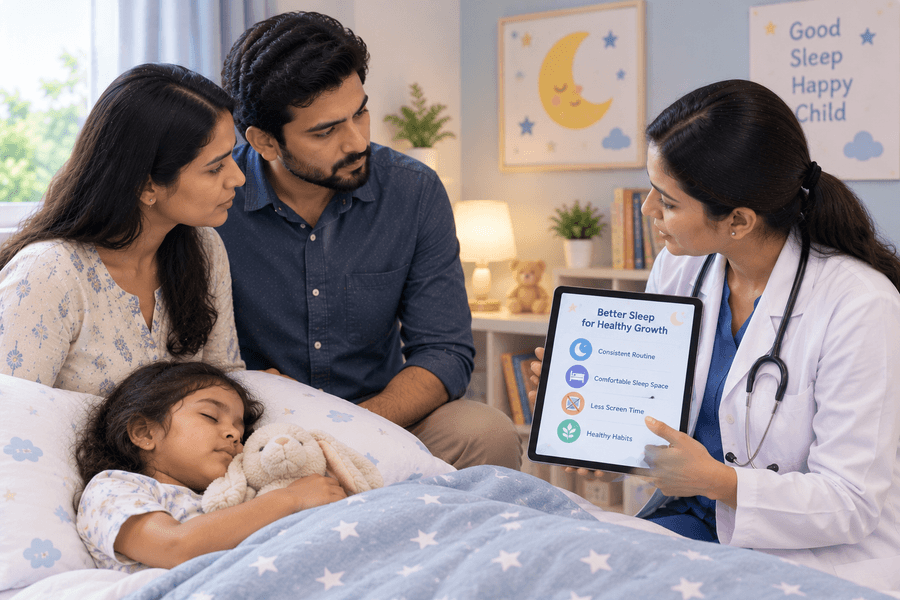
6. Discussing Sleep, Behaviour and Everyday Concerns
Parents sometimes hesitate to discuss concerns that do not seem like medical emergencies.
Questions about sleep, appetite, behaviour, screen habits, school, physical activity, or social development are still relevant to a child's overall health.
A routine appointment provides dedicated time to discuss these issues.
For example, parents may ask:
“My child is extremely picky with food—is this normal?”
“My child doesn't sleep well. What should I do?”
“My child seems smaller than other children of the same age. Should I be concerned?”
“My child has frequent infections. Should we investigate further?”
These conversations can be valuable even when the child does not have an acute illness.
What Happens During a Pediatric Health Check-Up?
The exact process depends on the child's age and healthcare needs, but a routine appointment may include several components.
Health History
The pediatrician may ask about previous illnesses, medications, allergies, feeding, sleep, family history, and current concerns.
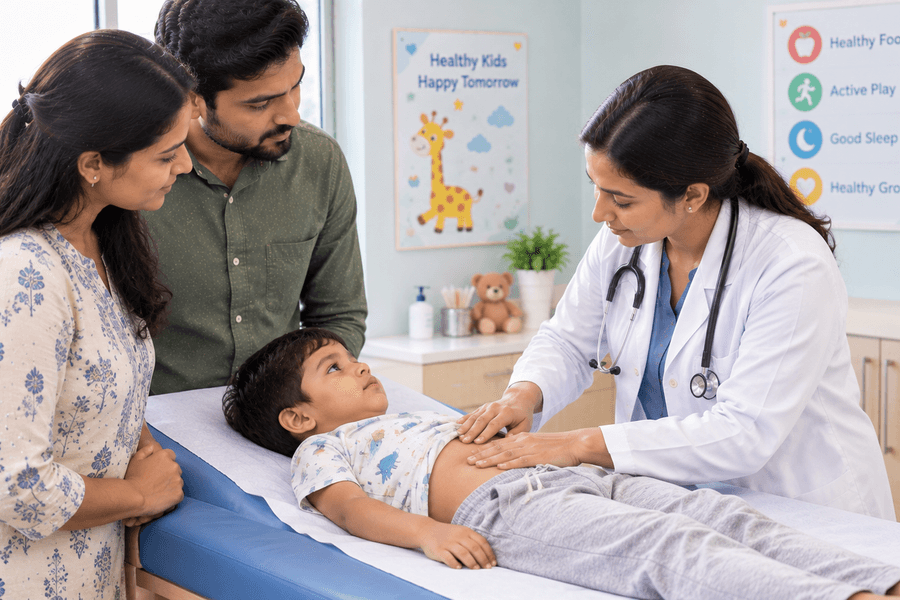
Physical Assessment
The child's general physical health may be assessed according to age and clinical requirements.
Growth Assessment
Height, weight, and other age-appropriate measurements may be recorded and reviewed.
Developmental Review
The pediatrician may discuss developmental milestones, behaviour, learning, communication, and social development.
Vaccination Review
The child's immunization records can be reviewed and upcoming vaccines discussed.
Parent Guidance
Parents can receive age-appropriate guidance about nutrition, safety, sleep, physical activity, and other aspects of healthy development.
The AAP's well-child framework includes age-specific history, physical examination, immunization, screening, and anticipatory guidance.
How Often Should Children Have Pediatric Check-Ups?
There is no single schedule that applies identically to every child.
Visit frequency can depend on age, health history, developmental needs, vaccination requirements, and any ongoing medical concerns.
Preventive pediatric schedules are generally organized around specific stages from infancy through adolescence, while additional appointments may be needed when a child has a health or developmental concern.
Parents should follow the schedule recommended by their child's pediatrician rather than relying on a generic online timetable.
When Should Parents Not Wait for a Routine Check-Up?
Routine visits are different from appointments for acute illness.
Parents should seek medical advice sooner if their child develops concerning symptoms such as:
- Difficulty breathing
- Persistent or significant fever
- Severe or worsening pain
- Repeated vomiting
- Signs of dehydration
- Unusual drowsiness or difficulty waking
- Seizures
- Significant changes in behaviour
- A concerning rash
- Poor feeding in a young infant
- Symptoms that are rapidly worsening
The appropriate urgency depends on the child's age, symptoms, medical history, and overall condition.
How Can Parents Prepare for a Child Health Check-Up?
A few simple preparations can make the appointment more productive.
Bring Relevant Records
Keep vaccination records, previous reports, prescriptions, and other important medical information available.
Write Down Your Concerns
Parents often remember questions after the appointment is over. Make a short list beforehand.
Track Important Changes
If you have noticed changes in appetite, sleep, behaviour, weight, or symptoms, note when they started and how they have changed.
Ask Questions
There is no need to wait for a serious problem before asking about your child's health. Preventive visits are an appropriate time to discuss everyday concerns.
The AAP specifically encourages parents to prepare topics they want to discuss, including development, behaviour, sleep, and eating.
Choosing a Pediatric Clinic in Bangalore
For families searching for a Pediatric Clinic in Bangalore, location is useful—but it should not be the only consideration.
Parents can evaluate:
Pediatric Expertise
Look for qualified pediatric professionals with experience in caring for children across different age groups.
Range of Services
A clinic offering pediatric consultation, vaccinations, newborn care, growth monitoring, and nutrition guidance can provide greater continuity.
Accessibility
A conveniently located clinic can make regular check-ups, vaccinations, and follow-up appointments easier to maintain.
Child-Friendly Approach
Children may feel nervous about medical visits. A comfortable and welcoming environment can help create a more positive healthcare experience.
Continuity of Care
Having consistent pediatric care allows the healthcare provider to understand the child's history and observe changes in growth and development over time.
Pediatric Care for Families in South Bangalore
For parents, healthcare accessibility often becomes particularly important when a child needs repeated visits, vaccinations, or follow-up assessments.
Families around DLF Layout, Begur, Manipal County Road, Singasandra, Akshayanagar, Basapura, Hosa Road, Electronic City, Bommanahalli, Hongasandra, Arakere, Devarachikkanahalli, Garvebhavi Palya, Mico Layout, and Vijaya Bank Layout may look for pediatric healthcare that is conveniently accessible from their neighborhood.
However, the right choice should balance local accessibility with professional qualifications, services, communication, and continuity of care.
Why Preventive Pediatric Care Should Be a Long-Term Habit
A child's healthcare needs change considerably over time.
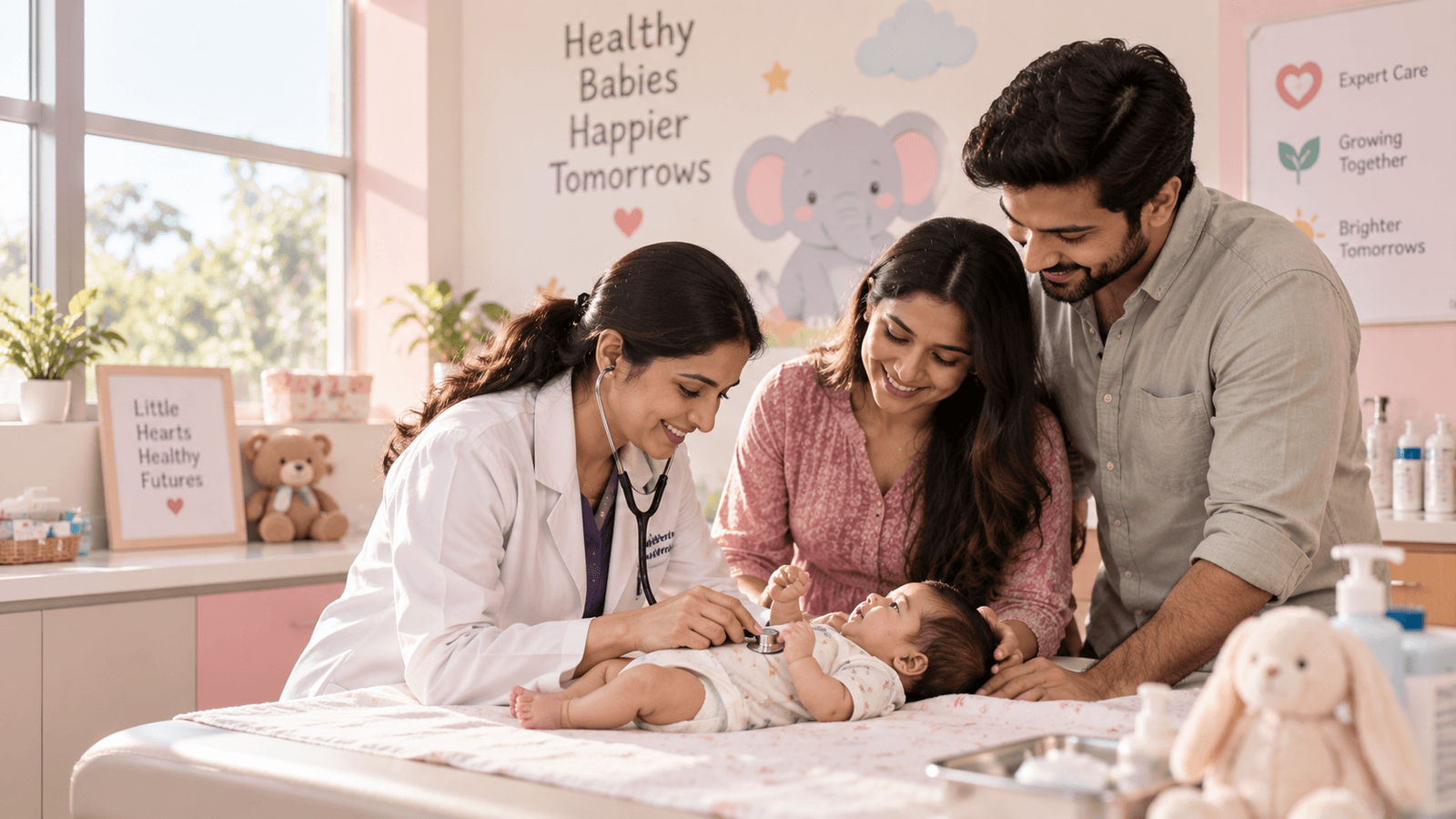
A newborn may need close attention to feeding, weight gain, jaundice, and early development. A toddler may need guidance around nutrition, behaviour, development, and safety. School-age children may have questions around learning, physical activity, sleep, and general health. Adolescents may have an entirely different set of physical, emotional, and social health considerations.
This is why preventive pediatric care should not be viewed as a single event.
It is an ongoing process that changes as the child grows.
The AAP's Bright Futures framework similarly approaches preventive pediatric care as age-based health supervision from infancy through adolescence.
Supporting Your Child's Health Through Every Stage
Regular pediatric visits are not simply about finding illness. They create an opportunity to understand how a child is growing, developing, eating, learning, and adapting as they move through different stages of childhood.
For families looking for Child Health Check-Up in Bangalore, Little's Clinic provides pediatric healthcare for newborns, infants, children, and adolescents. The clinic's services include pediatric consultation, vaccinations, newborn care, growth monitoring, nutrition guidance, and child health support.
Whether you are looking for a Pediatrician, Child Specialist or a Children's Clinic in Bangalore, establishing a consistent pediatric healthcare routine can help parents make informed decisions as their child grows.
Frequently Asked Questions
What is included in a child health check-up?
A child health check-up may include a health history, physical assessment, growth monitoring, developmental review, vaccination assessment, nutrition discussion, and age-appropriate preventive guidance.
Why should healthy children visit a pediatrician?
Healthy children can still benefit from preventive visits because these appointments provide opportunities to monitor growth and development, review vaccinations, discuss nutrition and behaviour, and identify concerns that may need further evaluation.
Is a child health check-up the same as a vaccination visit?
Not necessarily. A vaccination appointment focuses primarily on immunization, while a comprehensive pediatric check-up may cover growth, development, nutrition, physical health, behaviour, and other preventive-care areas.
When should parents schedule a pediatric consultation?
Parents can schedule routine preventive visits according to their pediatrician's recommended schedule. An additional consultation may be appropriate if a child develops concerning symptoms or parents notice changes in growth, development, behaviour, or general health.
Where can I find a child specialist in Bangalore?
Parents searching for a Child Specialist in Bangalore should consider the pediatrician's qualifications, experience, services, accessibility, and approach to preventive child healthcare.